The right lintel plays a critical role in managing loads above doors, windows, and openings while minimizing deflection and maintaining long-term structural integrity. Whether you’re working on residential extensions, commercial developments, or renovation projects, understanding the differences between concrete and steel lintels can help you balance load capacity, installation requirements, durability, and project costs.
The Ultimate Lintel and Load-Bearing Support Setup combines prestressed concrete lintels, steel lintels, high-strength padstones, and architectural cast stone components designed to deliver dependable structural performance. From supporting masonry loads to distributing concentrated forces and enhancing building aesthetics, these products provide practical solutions for a wide range of construction applications.
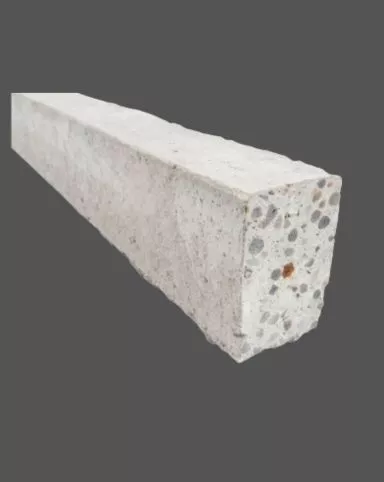
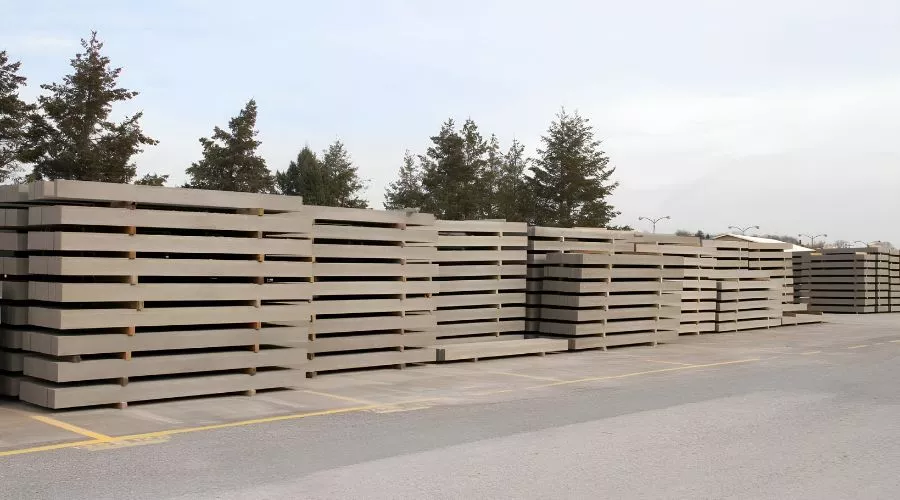
Prestressed concrete lintels are widely used in masonry construction due to their durability, fire resistance, and excellent compressive strength. This textured concrete lintel provides reliable support above openings while offering low maintenance and long-term structural stability. It is particularly suitable for traditional brick and block wall construction where robust load-bearing performance is required.
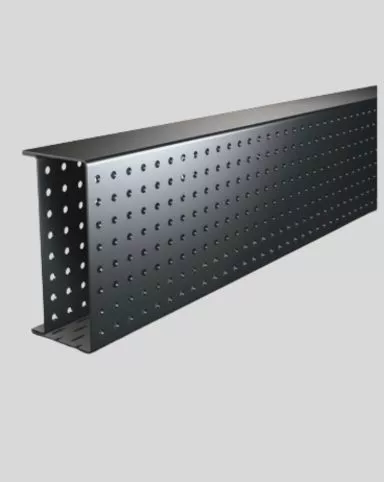
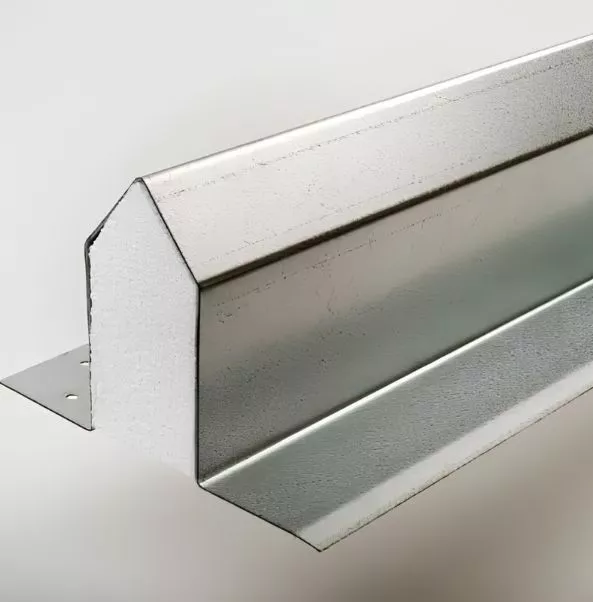
Steel box lintels are designed to provide high strength-to-weight performance with reduced section sizes compared to concrete alternatives. This internal wall lintel delivers efficient load distribution while helping to reduce overall installation weight. Its engineered steel construction makes it a popular choice for modern building projects requiring longer spans and streamlined installation.
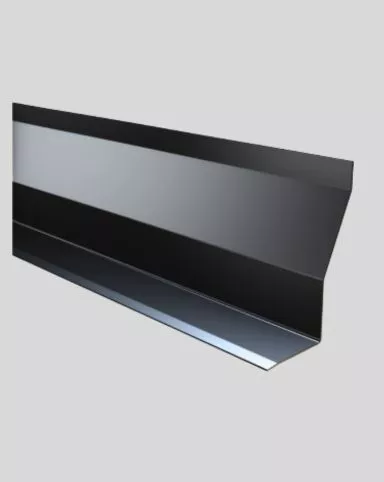
Specifically designed for timber frame construction, this steel lintel provides structural support while accommodating the unique load paths associated with timber-framed buildings. Its lightweight profile allows for easier handling on site while delivering dependable support above doors and window openings.
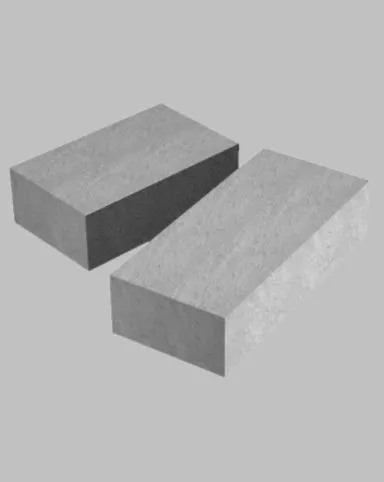
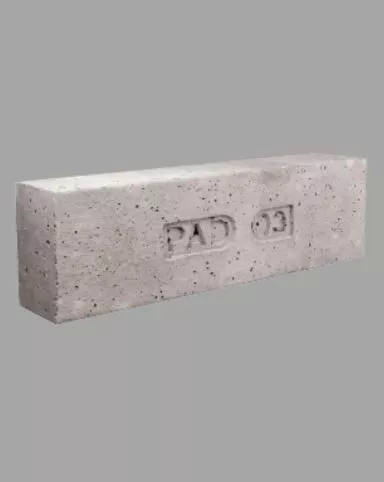
Padstones are essential for distributing concentrated structural loads from lintels, beams, and other load-bearing elements into masonry walls. This high-strength concrete padstone helps reduce localized stress while improving the overall stability of structural connections in residential and commercial projects.
Designed to provide effective load spreading beneath structural supports, this concrete padstone is commonly used where concentrated loads need to be transferred safely into surrounding masonry. Its dimensions make it suitable for a variety of structural applications requiring dependable bearing support.
Ideal for projects involving multiple structural openings or support points, this padstone solution provides consistent load distribution and helps maintain masonry integrity under concentrated structural loads. Its extended length offers additional bearing area where required by design specifications.
While structural performance is critical, architectural detailing remains an important part of building design. This cast stone cill provides a durable and visually appealing finish beneath window openings, helping manage water runoff while complementing traditional and contemporary façades.
A decorative cast stone plinth designed to create a refined transition between structural and architectural elements. It enhances visual detailing while providing the durability expected in external building applications.
This cast stone head detail offers a finishing touch above openings while maintaining architectural consistency across façades. It combines aesthetic appeal with the long-term durability associated with high-quality cast stone products.
Avoid selecting a lintel based solely on cost without considering span length, structural load requirements, and wall construction type. Using an undersized lintel can result in excessive deflection, cracking, and long-term structural issues. Don’t overlook bearing requirements or the need for suitable padstones beneath concentrated loads. Avoid mismatching lintel types with timber frame or masonry applications, and always ensure load ratings meet project specifications. Failing to account for future loads, building regulations, and installation conditions can lead to costly remedial work later.