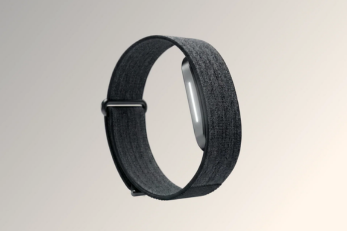
Best Fitness Trackers for Recovery: HRV, Sleep and Readiness Features Explained

Training lights the spark, but recovery keeps the fire burning. Discover which tracker features reveal when to push or rest.

Why Rest Days Deserve Real Data

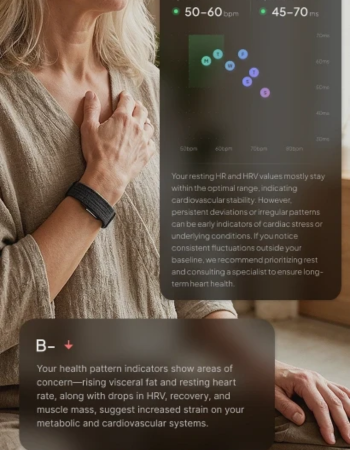
Most athletes track every rep, mile, and macro, then guess about recovery. That guess is expensive, because overtraining quietly steals strength, mood, and motivation. Heart rate variability, the tiny timing gaps between heartbeats, offers a window into how ready your nervous system feels. Pair it with sleep stages and a strain score, and you get a daily answer instead of a hunch. Hume Health designed its wearable around that idea, and the sections below explain each feature clearly and simply.

Best Fitness Trackers for Recovery: Decoding HRV, Sleep, and Readiness

HRV Explained Without the Jargon

Variability Means Flexibility

Higher HRV usually signals an adaptable body; sudden drops suggest stress or fatigue.

Baseline Beats Benchmarks

Your personal trend beats comparing numbers with friends, because healthy ranges vary widely.

Night Measurement Wins

Readings taken during sleep avoid daytime noise, giving cleaner, comparable data each morning.

Context Completes Everything

Pair HRV with sleep, strain, and temperature before changing training; one metric misleads.
Sleep Stages Worth Understanding

Deep Sleep Repairs

Deep sleep supports physical repair, so shortened deep stages explain sluggish training days.

REM Restores Focus

REM supports memory and mood, explaining why short nights leave you feeling foggy.

Consistency Beats Duration

A steady bedtime usually improves recovery far more than occasional weekend lie-ins can.

Sleep Debt Signals

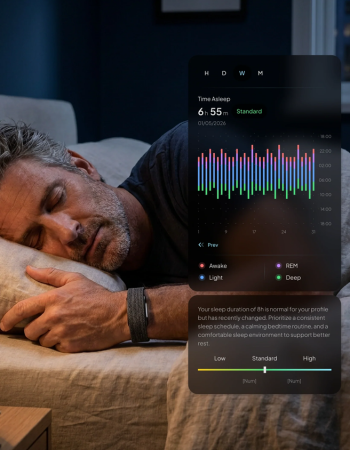
Tracking sleep debt shows when several short nights are quietly undermining your performance.

Hume Band 2.0: The Recovery Specialist

Capacity Score Clarity

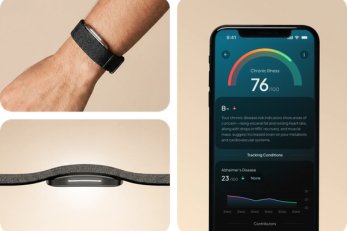
Daily capacity score shows strain, recovery, and readiness, so you can stop guessing.

Continuous Biomarker Tracking

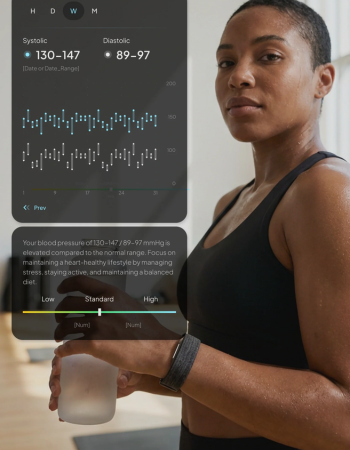
Monitors HRV, SpO2, skin temperature, resting heart rate, and blood pressure trends continuously.

Patented Sleep Scoring

Hume Health sleep scores use a patented algorithm, showing how well you rebuilt.

Fourteen Day Battery

Up to fourteen days of battery lets you wear it overnight without gaps.

Hume Pod 2.0 and Pod: Recovery’s Body Clues

Hydration Affects Readiness

Hydration readings explain flat, heavy days after sweaty sessions or too little water.

Muscle Mass Trends

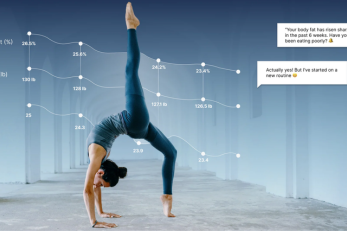
Tracking lean mass shows whether hard training and recovery are truly building muscle.

Symmetry Spots Overload

Pod 2.0 symmetry data flags left-right imbalances that may point toward overworked sides.

Original Pod Value

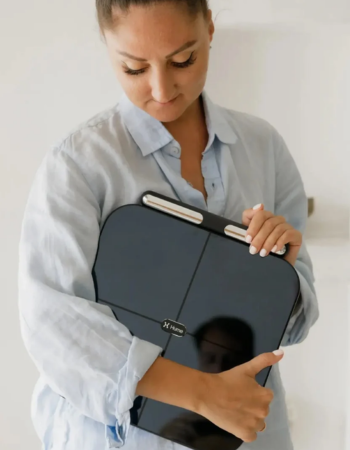
The original Pod scans in under a minute, perfect for weekly household checks.

Apps That Turn Data Into Rest

Weekly Report Rituals

Monday summaries reveal whether recovery trends improved, flattened, or slipped across the week.

Coaching That Adapts

Hume Health offers AI-guided suggestions on sleep, activity, and recovery from your data.

No Subscription Required

Band 2.0 needs no membership; Pro App action plans remain an optional upgrade.

Risk Free Testin

A 45-day refund window lets you test recovery insights across weeks before committing.

Your Recovery Shortlist

Choose trackers measuring HRV overnight, scoring sleep stages, and explaining readiness in plain, genuinely usable language.

Pick Hume Band 2.0 for daily readiness, then add Pod 2.0 or Pod for body context.

Hume Health offers HSA/FSA eligibility and a 45-day refund policy, making recovery tracking a low-risk experiment.