Overnight Bus Travel Guide: How to Sleep Comfortably and Save on a Hotel
Somewhere around mile 200, the world outside goes black, the seat next to you goes quiet, and your bank account quietly thanks you for skipping the Marriott.
- 25 Aug 2026
- Vanessa Burke
Why Overnight Buses Are the Original Budget Hack
One ticket does the job of two: transportation and a place to sleep, with no check-in time or wake-up call required.
Skip the hotel search entirely, and let a Greyhound overnight route rock you to sleep somewhere between your last stop and your next city.
| Route type | Overnight, multi-hour bus travel | Applies to most long-distance coach routes |
|---|---|---|
| Typical trip length | 6–12 hours | Varies by route and traffic conditions |
| Money saved | Roughly 80–200 | Equivalent to one night's hotel stay |
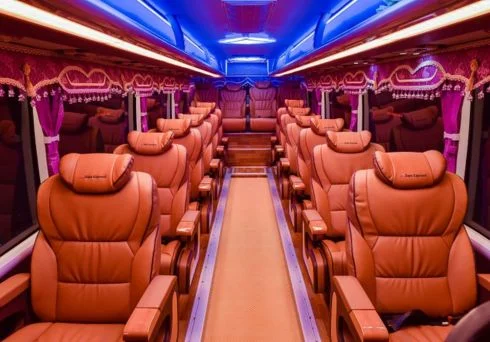
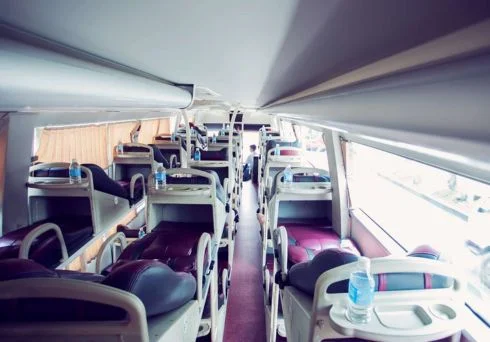
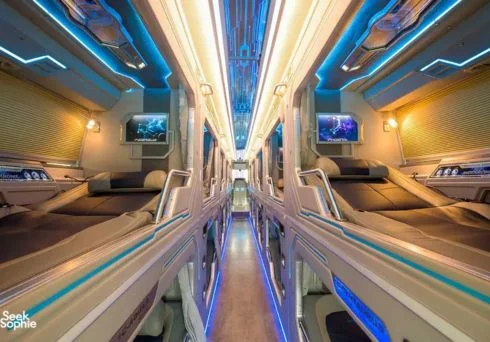
| Seat features | Reclining seats, extra legroom | Footrests available on some coaches |
| Sleep aids to pack | Neck pillow, eye mask, earplugs, light blanket | Small items that make the biggest difference |
| Best seat choice | Window seat | Away from the restroom and front door |
Timing It So Your Body Cooperates
- Departures between 9 pm and midnight line up best with your natural sleep window.
- A red-eye that arrives before 6 am can leave you groggy before your day even starts.
- Booking a middle-of-the-week departure often means an emptier bus and more room to stretch out.
- Eating a light meal before boarding beats trying to sleep on a stomach full of gas station nachos.
Turning a Bus Seat Into Something Resembling a Bed
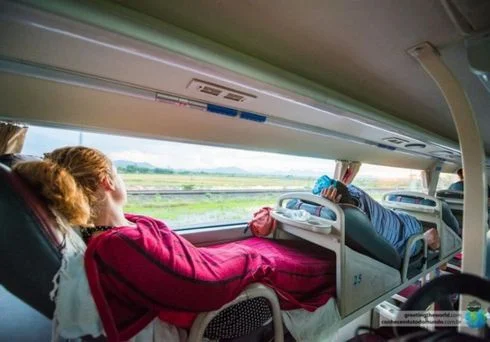
- A window seat gives you a wall to lean on, which your neck will thank you for by morning.
- An inflatable or memory-foam travel pillow does more for your posture than sheer willpower ever will.
- Earplugs and an eye mask cancel out the two things buses never run short of: light and noise.
- A hoodie rolled into a bundle works as a backup pillow if you forgot the real one.
What Actually Helps You Fall Asleep Onboard
- Compression socks keep circulation moving on long rides where legroom is limited.
- A light blanket or oversized scarf covers the gap between “cozy” and “why is this bus 58 degrees.”
- Noise-cancelling headphones, even without music playing, block out engine hum and chatty seatmates.
- Melatonin or a warm, non-caffeinated drink beforehand can nudge your body toward sleep mode.
Packing Smart So You're Not Fighting Your Own Bag
- A daypack under the seat in front of you beats digging through an overhead bin at 2 am.
- Keep essentials, phone charger, snacks, ID, within arm’s reach rather than in checked luggage.
- Pack a change of clothes in your carry-on in case your morning arrival doesn’t leave time to freshen up.
- A refillable water bottle avoids the 3 am dry-mouth wakeup call.
Where You Sit Changes How You Sleep
- Middle-of-the-bus seats feel the least bumpy, since they sit closer to the axle than the front or back.
- Aisle seats offer easy bathroom access but come with more foot traffic brushing past you all night.
- Front-row seats near the driver tend to be brighter and noisier, better for reading than resting.
- Back-row seats sit near the restroom, convenient for some, less peaceful for light sleepers.
Why Skipping the Hotel Actually Works
An overnight bus turns dead travel time into sleep time, so you arrive with your day still ahead of you and your wallet a little heavier than it would've been after a hotel bill.
Booking Around Peak Travel Times
Fares climb around holidays and festival weekends, so booking a few weeks out is the easiest way to lock in a lower price. Overnight and midweek departures tend to run cheaper than daytime weekend trips, since fewer people are chasing those seats. Most carriers let you book through a website, app, or in-person counter, with seat selection often available for an added fee.