
Best Scuba Refresher Courses for Getting Back Into Diving Safely
Skills don’t disappear after a few years off, they just hide until a mask floods and panic tries to take over.
Rusty Fins
Confidence Check
Back Under
Slow Return
Skill Reset
Pool First
Shallow Start
Dive Again
Why Time Off Changes More Than You Expect
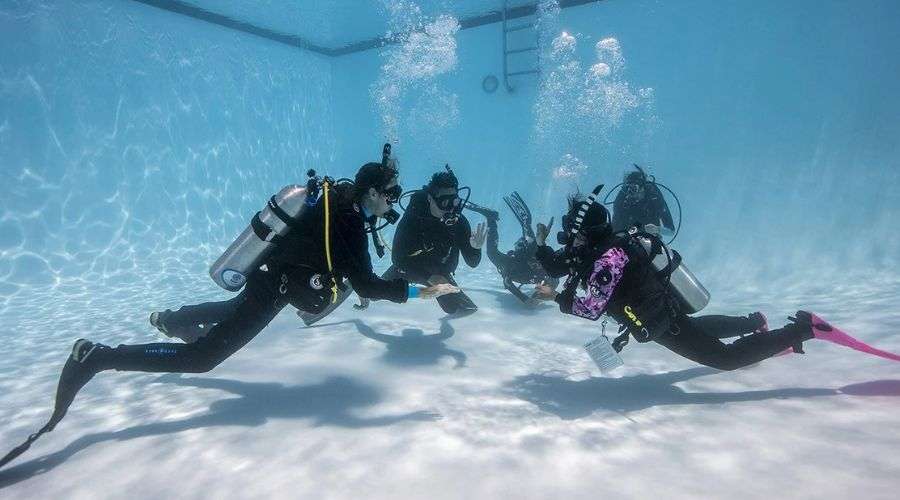
Muscle memory fades faster underwater than most divers assume, especially skills like mask clearing or controlled buoyancy that rely on staying calm under mild stress. PADI’s refresher courses rebuild that comfort in a pool setting first, catching rusty habits before they turn into real problems on an actual open water dive.
PADI's Bestselling Refresher and Scuba Review Courses
Deep Diver
Plan Deeper Dives
Learn effective planning techniques while considering depth, gas requirements, environmental conditions, and appropriate safety procedures.
Recognize Diving Narcosis
Learn to identify and manage narcosis while developing better awareness and decision-making abilities during deeper dives.
Manage Gas Carefully
Understand how to monitor and manage your gas supply effectively throughout deeper underwater excursions and changing conditions.
Improve Depth Control
Practice buoyancy control, buddy contact procedures, and safety considerations specifically suited to deeper recreational scuba diving.
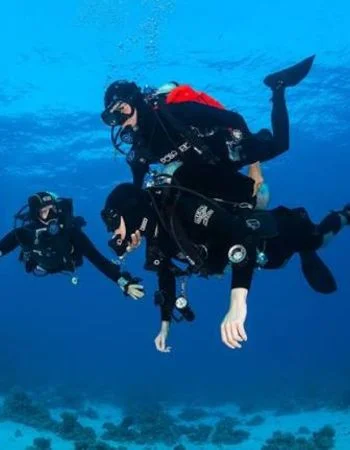
Rescue Diver
Identify Diving Problems
Learn to recognize minor issues early and respond appropriately before they develop into more serious diving emergencies.
Prevent Bigger Emergencies
Learn proactive techniques that help address developing problems quickly, supporting safer and more controlled diving experiences.
Develop Rescue Skills
Build practical abilities for assisting divers while improving your awareness, preparation, and confidence during underwater situations.
Increase Diving Confidence
Strengthen your overall diving abilities while gaining valuable rescue knowledge that can make you a more capable diver.
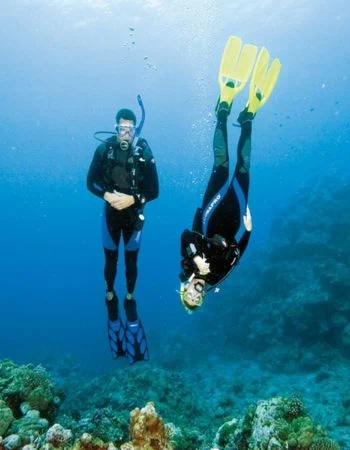
Peak Performance Buoyancy
Improve Buoyancy Control
Refine foundational buoyancy skills to move smoothly underwater while achieving greater control, stability, and confidence during dives.
Conserve Your Air
Develop better buoyancy habits that can reduce unnecessary effort and air consumption while making dives more comfortable.
Master Effortless Movement
Learn techniques that help you glide efficiently, hover naturally, and control ascents or descents with greater precision.
Protect Aquatic Life
Improve underwater control so you can observe marine life closely while minimizing accidental contact with your surroundings.
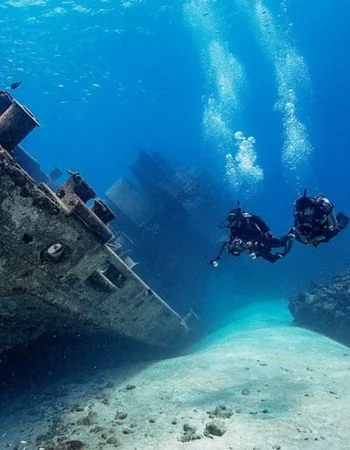
Advanced Open Water Diver
Expand Diving Experience
Complete five adventure dives, combining deep diving and navigation with three additional specialties chosen around your interests.
Explore Specialty Options
Choose three exciting specialties such as night diving, wreck diving, photography, buoyancy, or enriched air nitrox.
Develop Navigation Skills
Strengthen underwater navigation abilities through required training that builds greater awareness, confidence, and control during dives.
Earn Specialty Credits
Gain valuable experience while completing specialty dives that may contribute toward corresponding PADI specialty certifications.
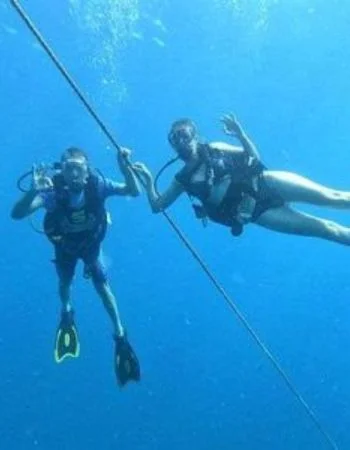
PADI Open Water Diver eLearning Course
Learn Scuba Basics
Study essential diving knowledge independently through online lessons, videos, readings, and quizzes using the PADI eLearning platform.
Complete Certification Dives
Demonstrate your scuba abilities during open-water dives with a PADI Professional in an ocean, lake, or quarry.
Practice Essential Skills
Apply your online knowledge during supervised pool or shallow-water sessions while developing practical skills and confidence.
Become Certified Diver
Gain comprehensive training, build confidence underwater, and earn the freedom to dive with buddies or professionals.
Signs You Should Book a Refresher First
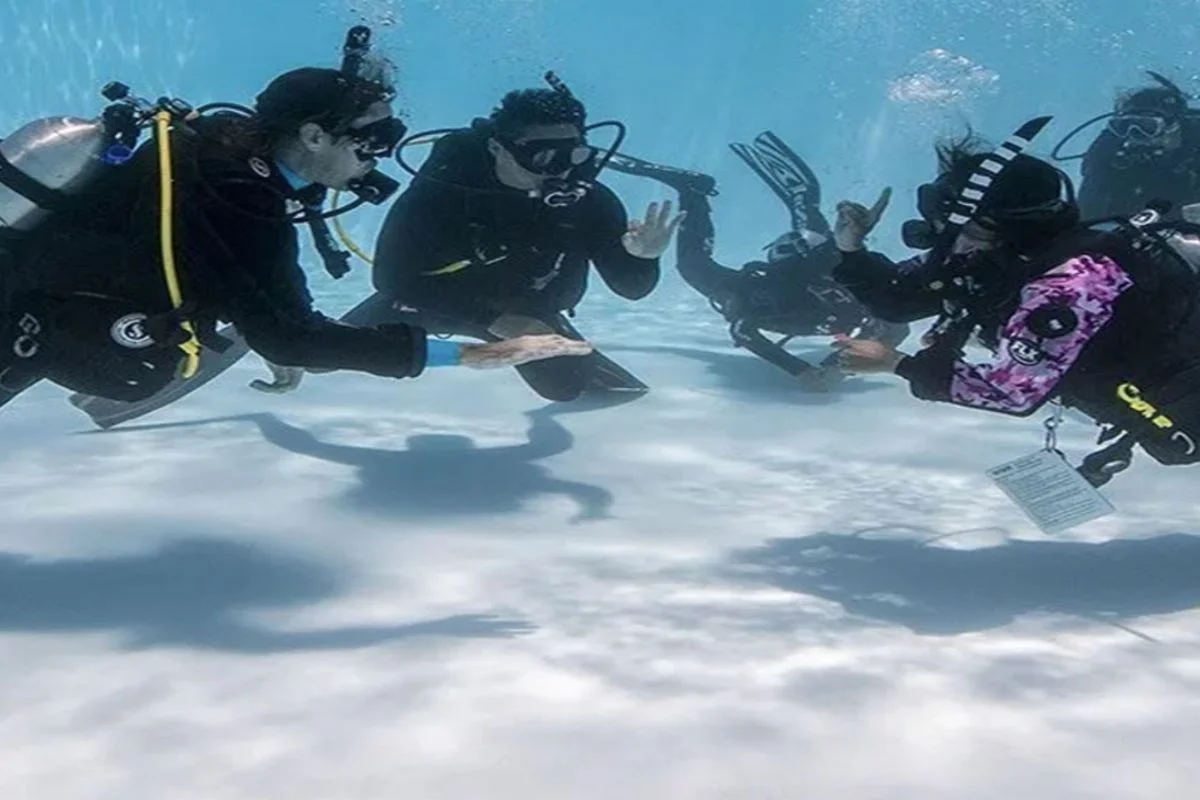
If it’s been over a year since your last dive, a refresher rebuilds muscle memory before you’re relying on it at depth.
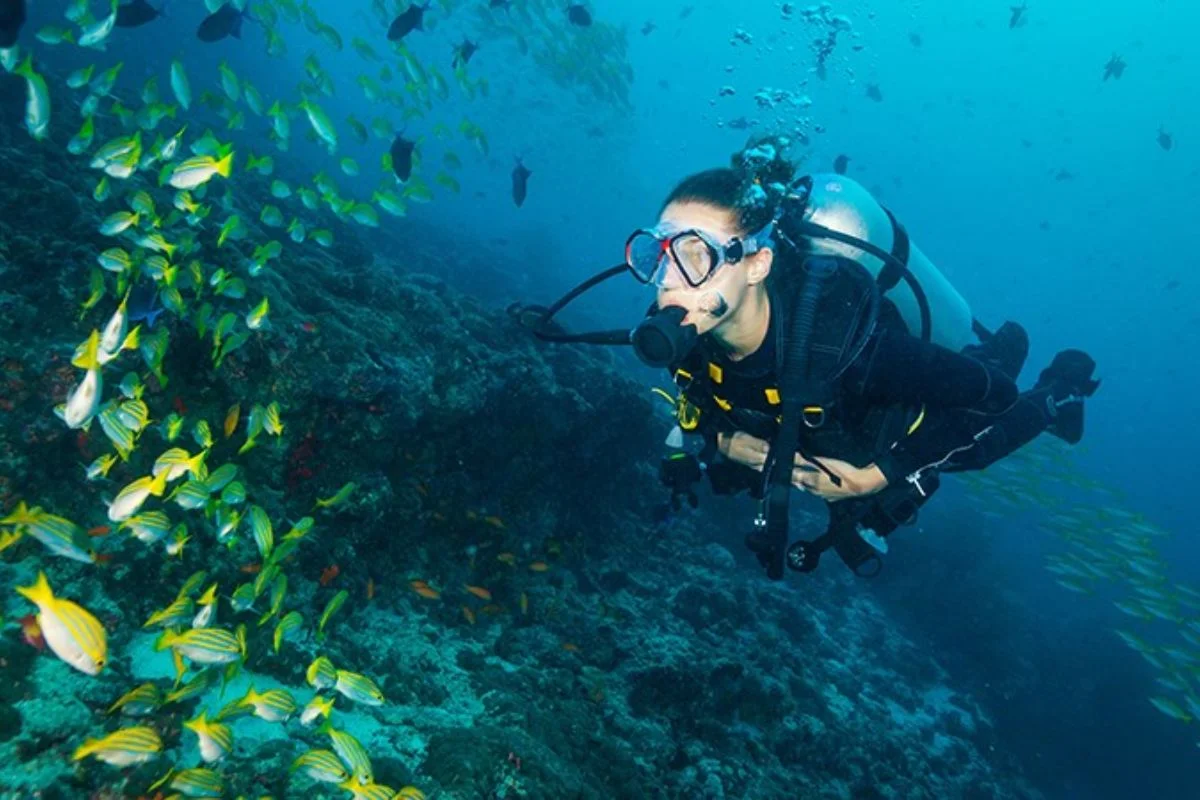
Divers who felt shaky or anxious during their last dive benefit from reviewing skills in a pool before returning to open water.
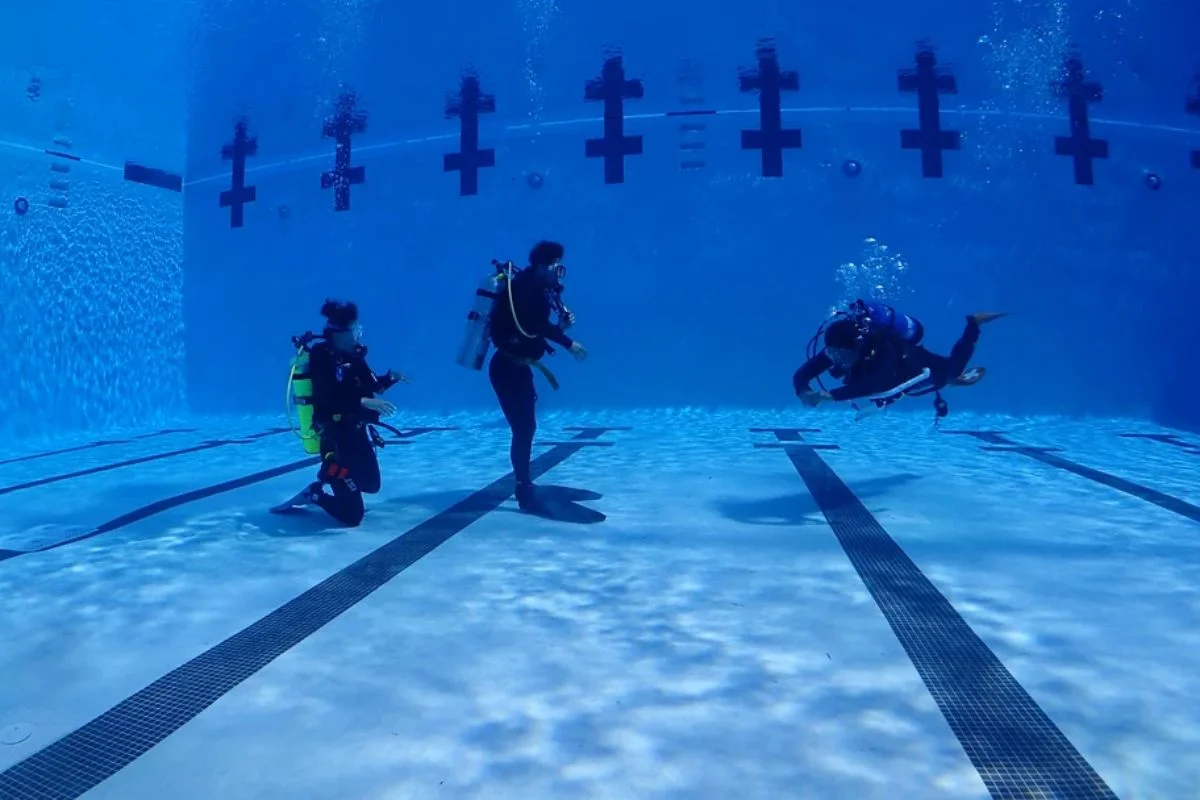
Anyone switching to unfamiliar gear, like a new BCD or regulator, should practice basics again before combining new equipment with rusty skills.