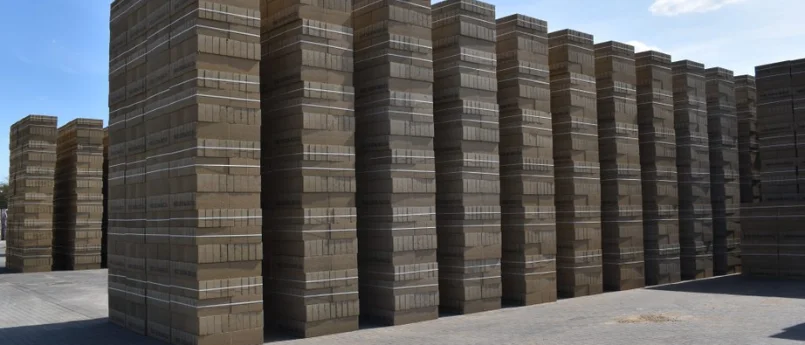
The materials used within a cavity wall play a crucial role in determining structural performance, thermal efficiency, construction speed, and long-term durability. Whether you’re delivering residential developments, commercial projects, extensions, or refurbishment schemes, selecting the right combination of concrete blocks, aerated blocks, common bricks, and facing bricks helps create wall systems that balance strength, insulation, and aesthetic appeal. Understanding the role of each masonry component can help optimise wall construction while supporting modern building standards and project requirements.
The Ultimate Brickwork and Walling Setup combines dense concrete blocks, lightweight aerated blocks, common bricks, and premium facing bricks designed to deliver dependable structural performance across a wide range of masonry applications. From load-bearing inner leaves and partition walls to decorative external façades, these products provide practical solutions for high-quality cavity wall construction.
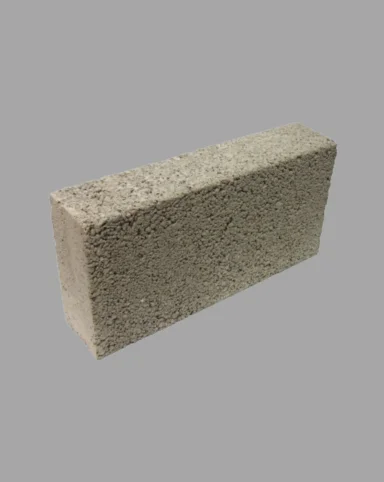
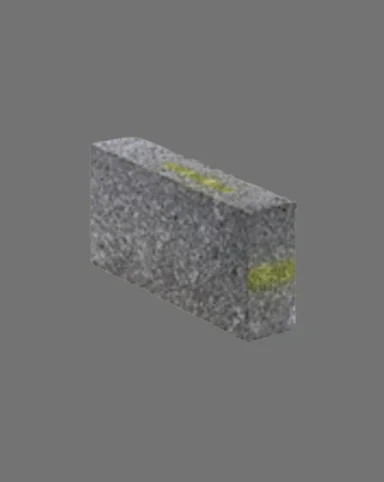
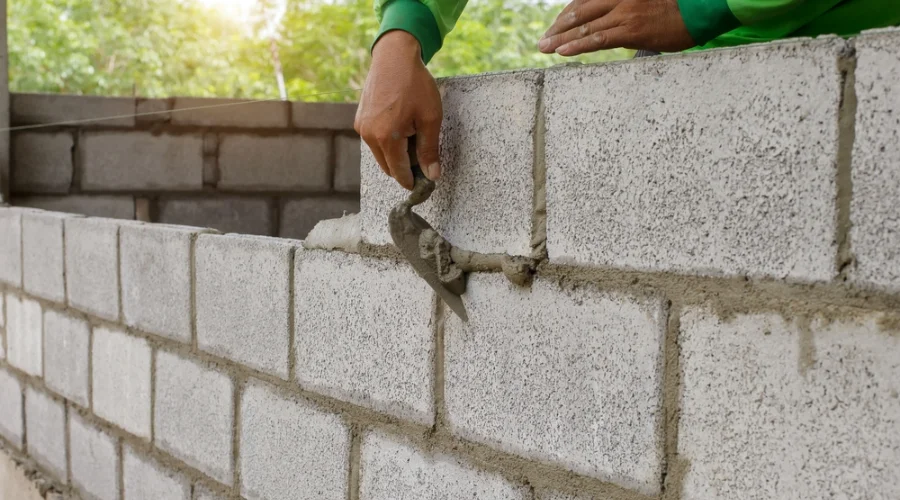
Dense concrete blocks remain a staple of modern masonry construction due to their strength, durability, and versatility. This solid concrete block provides dependable load-bearing performance and is commonly used within cavity wall systems, foundation structures, and internal walls where robust structural support is required. Its dense composition contributes to excellent durability and long-term reliability.
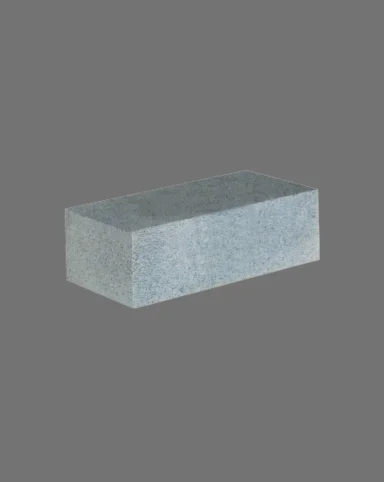
Concrete common bricks are widely used in applications where structural performance is prioritised over decorative appearance. This dense concrete brick offers consistent strength and durability, making it suitable for below-ground work, backing masonry, and general construction projects requiring dependable load-bearing characteristics.
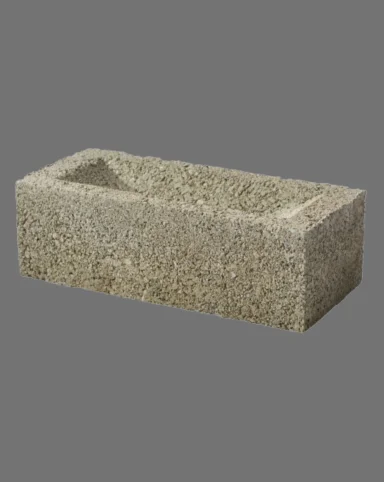
Hollow dense concrete blocks provide a balance between structural strength and reduced material weight. Their internal voids help improve handling efficiency while maintaining reliable load-bearing performance. These blocks are commonly specified for structural walls, commercial developments, and projects requiring wider masonry units.
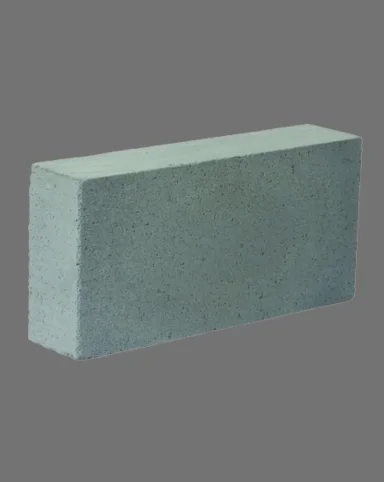
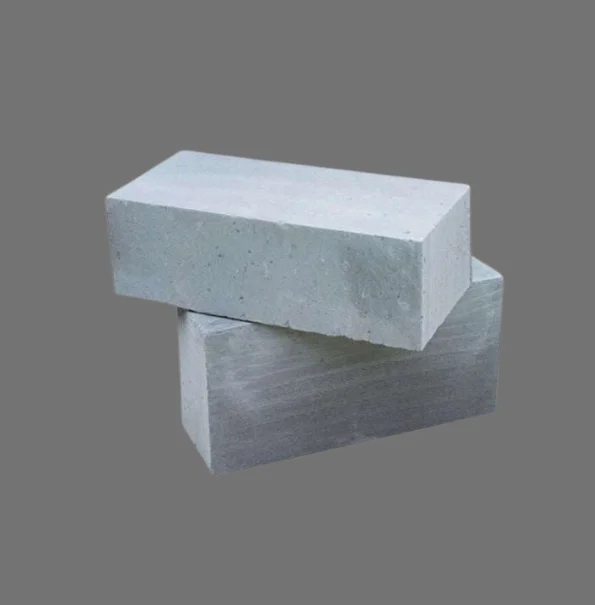
Aerated concrete blocks are recognised for their lightweight properties and thermal performance. This aerated block offers improved handling on site while contributing to energy-efficient wall construction. Frequently used for internal leaves of cavity walls, these blocks help support thermal performance targets while maintaining dependable structural capability.
Lightweight concrete blocks are increasingly specified where ease of installation and improved productivity are important considerations. This solid concrete block provides a practical solution for walling projects that benefit from reduced lifting weight while still delivering reliable construction performance and dimensional consistency.
Frogged common bricks continue to play an important role in traditional masonry construction. Their design promotes effective mortar bonding while providing dependable structural performance for a variety of walling applications. These bricks are often selected for general brickwork where appearance is not the primary consideration.
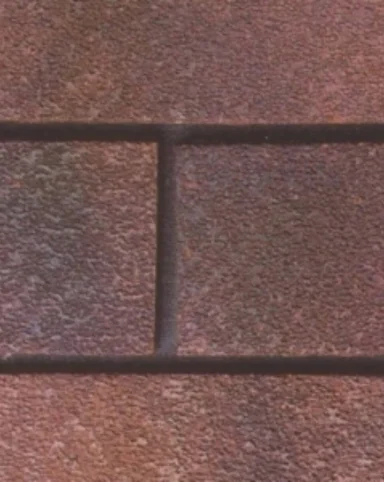
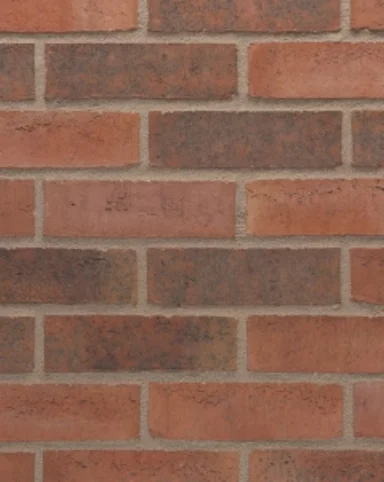
Facing bricks provide the visible external finish of many cavity wall systems and contribute significantly to a building’s appearance. This facing brick offers a distinctive texture and colour profile, helping create visually appealing façades while maintaining the durability expected from external masonry materials.
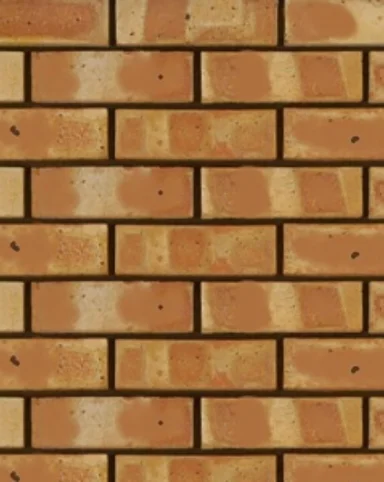
Facing bricks remain one of the most popular choices for residential developments due to their combination of durability, weather resistance, and traditional appearance. These bricks help create attractive external elevations while supporting the long-term performance of masonry façades in a variety of architectural styles.
Premium facing bricks are frequently specified for projects where architectural character and visual appeal are key considerations. This facing brick provides an attractive finish that complements both traditional and contemporary developments while delivering the durability and weather resistance required for external wall construction.
Successful cavity wall construction often relies on selecting complementary materials that work together to achieve structural, thermal, and aesthetic objectives. Dense concrete blocks are commonly specified where strength and durability are priorities, while lightweight and aerated blocks can help improve handling efficiency and thermal performance. Common bricks provide dependable masonry support in non-visible applications, while facing bricks deliver the external appearance that defines the finished building. By understanding the strengths of each material category, contractors and developers can create cavity wall systems that meet both performance requirements and design aspirations.