Best Plywood OSB3 Sheet Materials

Boards That Deliver the Highest Moisture Resistance for Flat Roof Decks

The choice of sheet material plays a significant role in the long-term performance of flat roof systems. Whether you’re building residential extensions, commercial roof structures, flooring systems, or general structural timber projects, selecting the right board can influence moisture resistance, dimensional stability, load-bearing performance, and overall service life. Understanding the differences between plywood and OSB3 boards helps ensure reliable structural performance in demanding construction environments where exposure to humidity and changing weather conditions must be considered.

The Ultimate Structural Board and Roof Decking Setup combines hardwood plywood, marine plywood, OSB3 panels, flooring-grade chipboard, and specialist sheet materials designed to deliver dependable performance across a wide range of construction applications. From flat roof decking and flooring installations to timber frame construction and structural sheathing, these boards provide practical solutions for modern building projects.

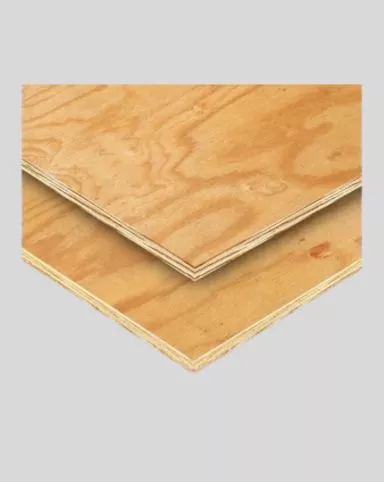
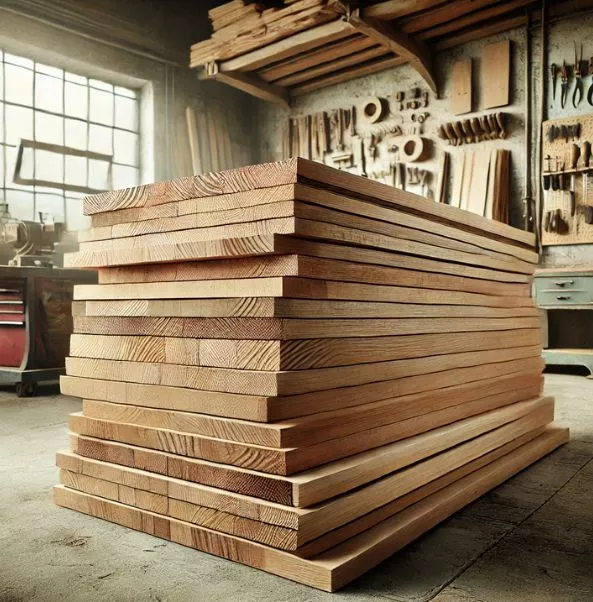
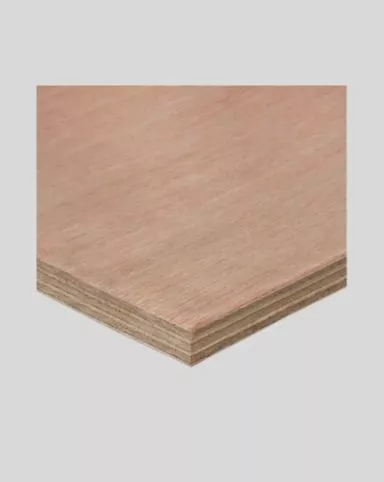
Structural hardwood plywood is widely used in construction due to its excellent strength-to-weight ratio, dimensional stability, and reliability. Manufactured using multiple layers of hardwood veneers, this board provides dependable performance in roofing, flooring, wall sheathing, and structural applications. Its layered construction helps improve resistance to warping while maintaining consistent load-bearing capabilities.

Shuttering plywood is commonly used in temporary formwork systems and general construction projects where strength and versatility are required. Its durable panel construction makes it suitable for a variety of site applications, offering practical performance where repeated handling and exposure to construction environments may occur while maintaining stability, durability, and consistent performance over time.
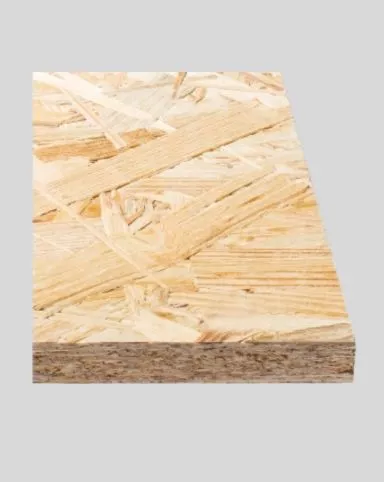
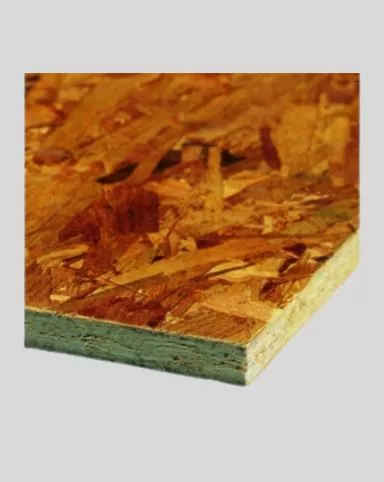
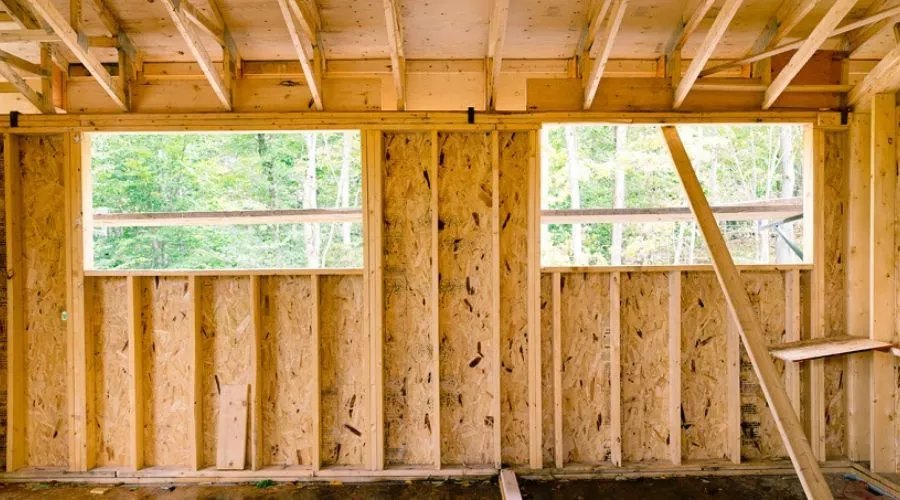
OSB3 boards have become a popular choice for structural roofing and timber frame construction due to their engineered composition and moisture-resistant properties. Designed for load-bearing applications in humid environments, this OSB3 panel offers consistent structural performance while providing an economical solution for roof decking, wall sheathing, and flooring projects.

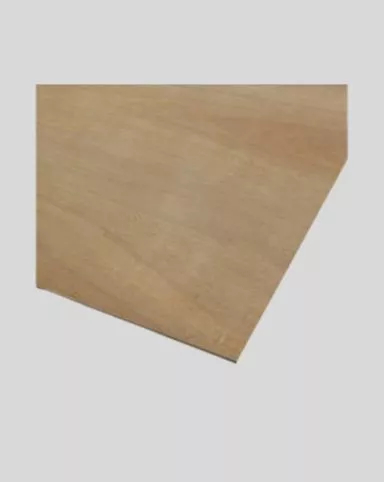
General-purpose plywood remains a versatile sheet material used across numerous construction and joinery applications. Its lightweight construction makes it suitable for non-structural projects, interior fit-outs, and applications where ease of handling and adaptability are important considerations.

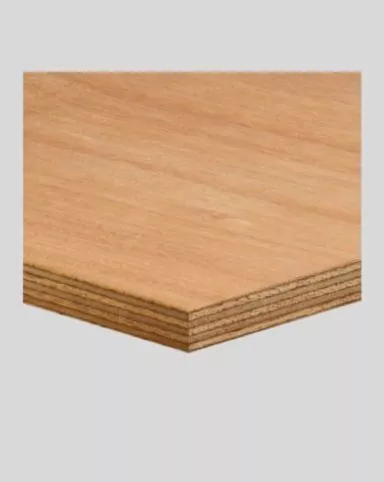
Marine plywood is manufactured to provide enhanced moisture resistance and durability in challenging environments. Built using high-quality veneers and water-resistant bonding systems, it is often selected for applications exposed to moisture. This makes it suitable for projects requiring resistance to damp conditions and environmental exposure.

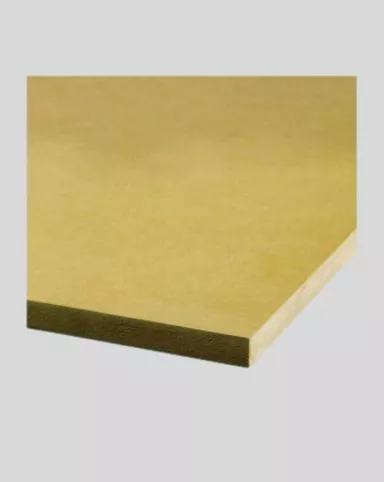
MDF boards provide a smooth and consistent surface that is widely used in interior construction, furniture manufacturing, and joinery applications. Their uniform composition allows for precise machining and finishing, making them a popular choice where appearance and workability are key project requirements.

SterlingOSB Zero OSB3 panels are designed for structural applications where moisture resistance and reliable load-bearing performance are required. The engineered board construction delivers strength and stability while supporting modern timber frame, roofing, and sheathing applications where environmental conditions may fluctuate over time.

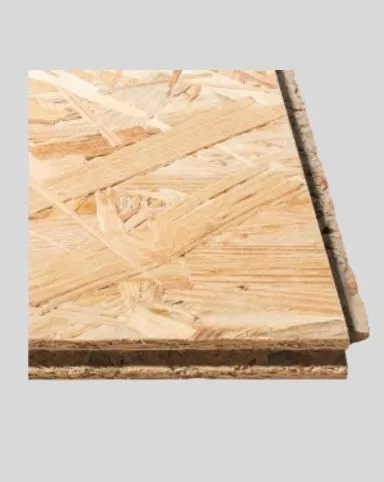
Tongue and groove OSB3 boards provide enhanced installation efficiency and improved joint stability across larger structural surfaces. Their interlocking profile helps create secure connections between panels, making them particularly suitable for flooring systems, roof decking, and structural platforms requiring continuous support.

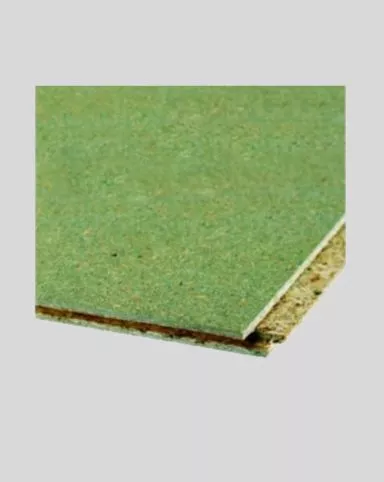
Flooring-grade chipboard is specifically engineered for structural flooring applications where stability, strength, and ease of installation are required. The tongue and groove design helps reduce movement between boards while creating a strong and reliable floor platform suitable for residential and commercial developments.

Good structural sheet materials are the backbone of modern housing, ensuring safety, durability, and stability. They withstand environmental stresses like wind, moisture, and seismic activity while providing superior insulation for energy efficiency. High-quality materials reduce long-term maintenance costs, prevent structural failures, and support innovative architectural designs. They also contribute to sustainable construction by minimizing waste and improving load distribution. Choosing the right structural sheets ultimately protects lives, enhances property value, and ensures buildings meet modern building codes and standards.